Venous Doppler Ultrasound: how it works and when to have it
26.10.2026
Summer tends to put your legs to the test: heaviness at the end of the day, swollen ankles, more visible spider veins, perhaps a vein you had never noticed before. As autumn arrives, many of these complaints ease off, but the cause behind them remains. The reference exam for understanding how the venous circulation of the legs is really working is the venous doppler ultrasound of the lower limbs: a non-invasive, painless scan that involves no radiation. In this guide we explain what it is, how it is performed, when it is indicated and why autumn is the ideal time to schedule one.
What a venous doppler ultrasound is
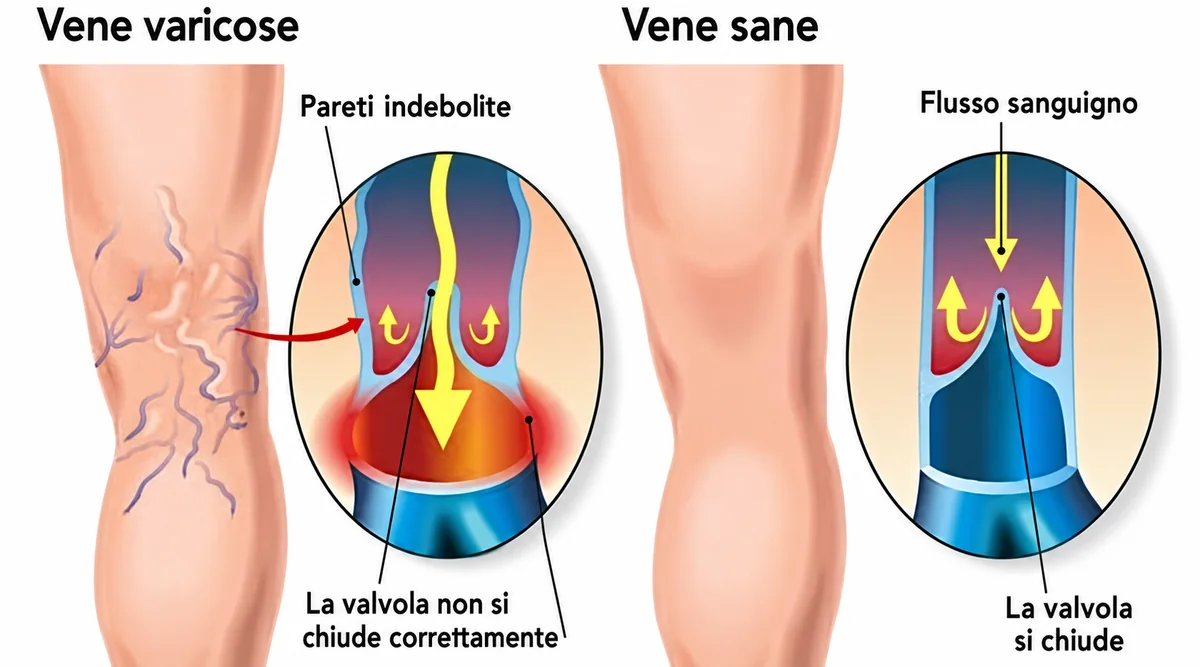
A colour doppler ultrasound combines the anatomical image of the veins with an assessment of blood flow, displayed on screen as a colour map. It allows the specialist to study both the superficial and the deep venous systems, to check how the venous valves are working and to detect any reflux, meaning blood falling back down the leg instead of returning towards the heart, as well as obstructions or the after-effects of phlebitis and thrombosis. It requires no contrast medium and uses no radiation: this is why it is considered the cornerstone of phlebological diagnostics, the exam on which the choice between simple observation, conservative therapy and treatment depends.
When it is indicated: signs not to overlook
The reasons for requesting a venous doppler ultrasound are first of all clinical: heavy or aching legs, swelling that appears towards evening, night cramps, persistent itching or tingling, increasing spider veins or already visible varicose veins. It is also indicated in the absence of symptoms when there is a strong family history of venous disease, after pregnancy, in people who spend long hours standing at work, or after an episode of phlebitis. It is worth remembering that not all leg swelling comes from the veins: a symmetrical increase in volume that is tender to the touch, for instance, may point to different conditions such as lipedema, which the specialist can recognise and distinguish.
The exam is also essential before any treatment: sclerotherapy or varicose vein procedures are planned only after the origin of the reflux has been precisely mapped.
How the exam is performed
The venous doppler ultrasound is performed on an outpatient basis, with no special preparation. The doctor applies gel to the skin and moves the ultrasound probe along the leg, first with the patient lying down and then standing, because it is in the upright position that any reflux shows most clearly. During the exam you may be asked to perform simple manoeuvres, such as a calf compression or a brief abdominal push (Valsalva manoeuvre), which help assess the direction of flow. The exam generally takes twenty to thirty minutes, causes no pain, and normal activities can be resumed immediately afterwards. The report is usually discussed directly with the specialist at the end of the exam.
Why autumn is the right time
Heat dilates the veins and heightens the symptoms of venous insufficiency: this is why summer is often the season when problems make themselves felt, and autumn the season to deal with them. Scheduling the assessment now allows any treatment plan to be built calmly over the colder months, when compression stockings are comfortable to wear and treated areas are not exposed to the sun (ideal conditions, for example, for a course of sclerotherapy), so that you reach next summer with the problem already addressed, rather than endured once again.
After the exam: from report to treatment plan
If the exam is normal, the pathway is limited to preventive advice (regular exercise, weight control, compression stockings where indicated) and follow-up checks agreed with the specialist. If superficial venous insufficiency or varicose veins emerge, minimally invasive treatments are available today and are assessed case by case by the vascular surgeon on the basis of the haemodynamic map provided by the exam. If the problem is mainly aesthetic, such as spider veins, phlebological treatment is scheduled only after deeper reflux has been ruled out: treating spider veins without correcting the cause that feeds them often means watching them come back.
Frequently asked questions
Is the doppler ultrasound painful? Is any preparation needed?
No: it is an external, non-invasive and painless scan. No fasting or preparation is required; comfortable clothing that allows easy access to the legs is all you need.
How long does it take and when are the results available?
Generally twenty to thirty minutes for both legs. The result is immediate: the images are interpreted during the exam and the report is usually handed over and discussed at the end.
How often should it be repeated?
There is no schedule that applies to everyone: it depends on the findings. When varicose veins are known or after a treatment, the specialist will indicate personalised follow-up checks; in the absence of symptoms, the exam is repeated only if new signs appear.
At the Vascular Surgery department of Istituto Chirurgico Palazzo Manzoni, in Brescia, the venous doppler ultrasound is performed as part of the vascular and phlebology consultation, so that diagnosis and any treatment proposal take place within a single pathway. You can book online or by phone on +39 030 294 2437.