
Heavy, Swollen Legs in Summer: why it happens and what to do
17.08.2026
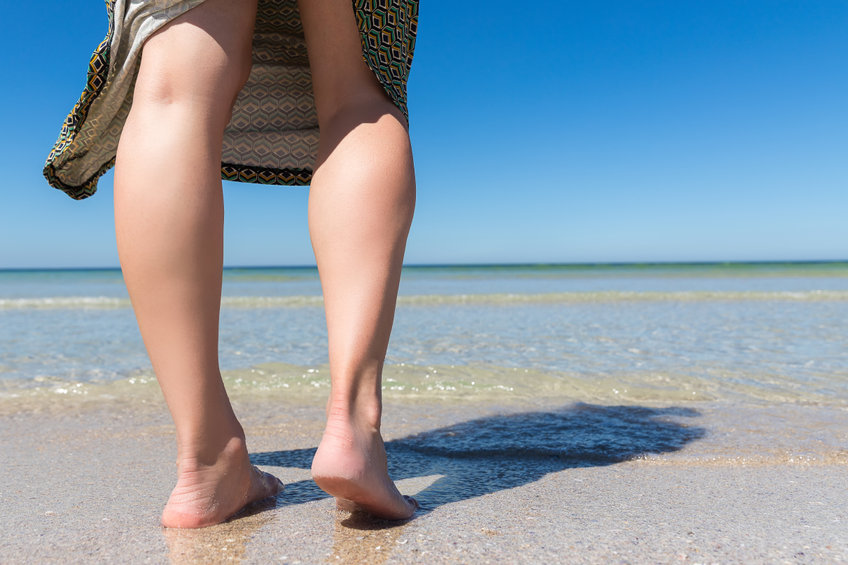
When the summer heat sets in, many people notice their legs begin to change: by evening they look swollen, shoes feel tighter, and a sense of heaviness makes even a short walk unpleasant. It is a very common complaint during the warmer months, and in most cases it has a clear explanation: heat puts the venous system to the test.
In this article, the vascular surgery department of Istituto Chirurgico Palazzo Manzoni in Brescia explains why legs swell as temperatures rise, how to tell a passing discomfort from a possible venous disorder, and which habits can help you get through the summer feeling lighter.
Why heat makes your legs swell
High temperatures cause blood vessels to dilate — a physiological mechanism the body uses to release heat. When the veins in the legs widen, however, the return of blood towards the heart becomes less efficient: blood tends to pool in the lower part of the body and some fluid leaks into the surrounding tissues, producing swelling, especially around the ankles and feet.
The problem is made worse by standing or sitting still for long periods, situations in which the calf muscle pump — the “engine” that pushes blood upwards with every step — is not working. A family history of venous disorders, a sedentary lifestyle, excess weight, pregnancy and jobs that involve many hours in a static position all contribute as well.
Did you know?
To cool us down, the body turns the skin into a radiator. When the whole body is exposed to heat, blood flow to the skin can rise from about 300 to 7,500 millilitres per minute: more than half of the blood pumped by the heart, whose output can as much as double.
Source: Crandall CG, Wilson TE, Comprehensive Physiology 2015
Passing heaviness or venous insufficiency? Signs to watch for
Mild, symmetrical swelling that appears in the evening after a hot day and disappears with a night’s rest is, in most cases, a transient phenomenon. Some signs, however, deserve attention: heaviness and swelling that persist into the morning, frequent night cramps, itching, spider veins that become increasingly visible, dilated and twisted veins showing under the skin, or changes in the colour of the skin around the ankles.
These signs may point to chronic venous insufficiency, a condition that tends to progress over time and is best assessed early. A different picture is symmetrical swelling of the legs and hips that is tender to the touch and bruises easily, which may suggest lipedema — a separate condition that requires its own dedicated care pathway.
One important warning: sudden swelling of one leg only, especially when accompanied by pain, warmth or redness, should not be blamed on the heat. In these cases you should seek medical attention promptly to rule out problems that require immediate treatment.
Practical tips for the summer months
- Keep moving — in the water too. Regular walking activates the calf muscle pump; walking in the sea or swimming combines movement with the beneficial effect of water pressure and its cooler temperature.
- Avoid prolonged, direct heat on your legs. Long sunbathing sessions without moving, scorching sand, saunas and hot waxing all increase venous dilation: it is better to alternate sun exposure with swims and time in the shade.
- Elevate your legs. At the end of the day, keeping your legs raised above heart level for a while helps fluid drain away.
- Cool water, from the bottom up. A cool shower over the legs, moving up from the ankles to the thighs, brings relief and helps maintain vessel tone.
- Drink enough water and limit salt. Good hydration and a balanced diet help keep fluid retention under control.
- Compression stockings, when indicated. Light, breathable models designed for warm weather do exist: the right type and compression level should, however, be chosen with your doctor.
Long journeys by plane or car: how to protect yourself
Summer is also travel season, and sitting for hours with your legs bent and motionless encourages venous stasis. On long journeys it is wise to stand up or take a break at regular intervals, keep moving your ankles and feet even while seated, drink water, and avoid clothing that is tight at the waist or groin. Anyone with a history of venous disorders or other risk factors should ask their doctor whether additional precautions, such as compression stockings, are advisable for the trip.
Did you know?
How much does a long flight really matter? A study of 8,755 employees of large international companies and organisations estimated one symptomatic venous thrombosis for every 4,656 flights lasting at least 4 hours. On average the risk rises moderately, but it grows with flight duration and with the number of flights taken within a short time.
When it is time for a specialist assessment
If heaviness and swelling come back every summer, if spider veins or visible veins are appearing, or if your symptoms do not improve with rest, a specialist assessment is advisable. An examination with colour Doppler ultrasound is a non-invasive, painless test that studies venous flow and shows whether venous insufficiency is present and where it originates.
Having the problem assessed at the end of the summer also has a practical advantage: the cooler months are generally the preferred time for any treatment of varicose veins and spider veins, from sclerotherapy to the most recent techniques. A visit in September therefore allows you to plan the most suitable pathway calmly.
Frequently asked questions
Are swollen legs in summer always a sign of venous disease?
No. Mild evening swelling that resolves with rest is often a physiological response to heat. If the discomfort is persistent, worsens over time, or is accompanied by visible veins, spider veins or skin changes, a specialist assessment is recommended.
Can compression stockings be worn in hot weather?
Yes. Light, breathable graduated compression stockings designed for the summer months are available. The model and compression level should be chosen with your doctor, based on your individual characteristics and needs.
Does cool water on the legs really help?
Yes. Cool water encourages the constriction of vessels dilated by the heat and brings immediate relief from the feeling of heaviness. It is a simple, useful remedy — but it does not replace a medical assessment when symptoms keep coming back.
Heavy, swollen legs should not be accepted as an inevitable price of summer: understanding what causes them is the first step towards feeling better, this season and in the seasons to come. The vascular surgery department of Istituto Chirurgico Palazzo Manzoni supports every patient from diagnosis with colour Doppler ultrasound through to the choice of any treatment.
If your legs struggle in the heat, or you have noticed spider veins or more prominent veins, book a specialist visit by calling 030 294 2437: together we will assess your situation and the most appropriate path for you.


