Plastic Surgery in Autumn: why it’s the ideal time for your procedure
24.08.2026

As summer draws to a close, many people return to a thought they have long set aside: the plastic surgery procedure they have wanted for some time, postponed because “it wasn’t the right moment”. It’s a question we hear often during consultations: is there really a better time of year to have surgery? With the appropriate caveats, the answer is yes: for many procedures, the colder months offer more favourable recovery conditions. In this article, the plastic surgery department of the Istituto Chirurgico Palazzo Manzoni in Brescia explains why autumn and winter are often the ideal season to schedule a procedure, and how to plan the journey without rushing.
Why the season of your procedure matters
Surgery doesn’t end in the operating theatre: the quality of the final result depends greatly on how the weeks of recovery unfold, and the season affects at least three practical aspects. The first is the sun: fresh scars are particularly vulnerable to ultraviolet rays, which can darken them — sometimes permanently; in the colder months, exposure naturally decreases. The second is the heat: high temperatures increase swelling and make the first days after surgery more uncomfortable. The third concerns the compression garments prescribed after many body procedures: girdles and support bras are far easier to tolerate under autumn clothing than at the height of summer.
Did you know?
In the mountains, UV rays can be surprising: according to the World Health Organization, snow can reflect up to 80% of ultraviolet radiation, compared with about 15% for dry sand, and fresh snow almost doubles a person’s exposure. What is more, UV levels rise by about 10% with every 1,000 metres of altitude.
Source: World Health Organization, Radiation: Ultraviolet (UV) radiation, 2016
The practical benefits of the colder months
Scheduling your procedure between autumn and winter means going through recovery when the weather is on your side. Warmer, more covering clothes let you wear dressings and compression garments discreetly; the swelling and minor bruising of the first weeks remain a private matter; and the return to social and working life is more gradual. There is also a calendar advantage: many surgical results mature over several months, as tissues settle and scars mature. Those who have surgery in autumn reach the following summer with the healing process already well advanced, and can enjoy the sea and the sun with greater peace of mind — always with the protection recommended by their specialist.
The procedures that benefit most
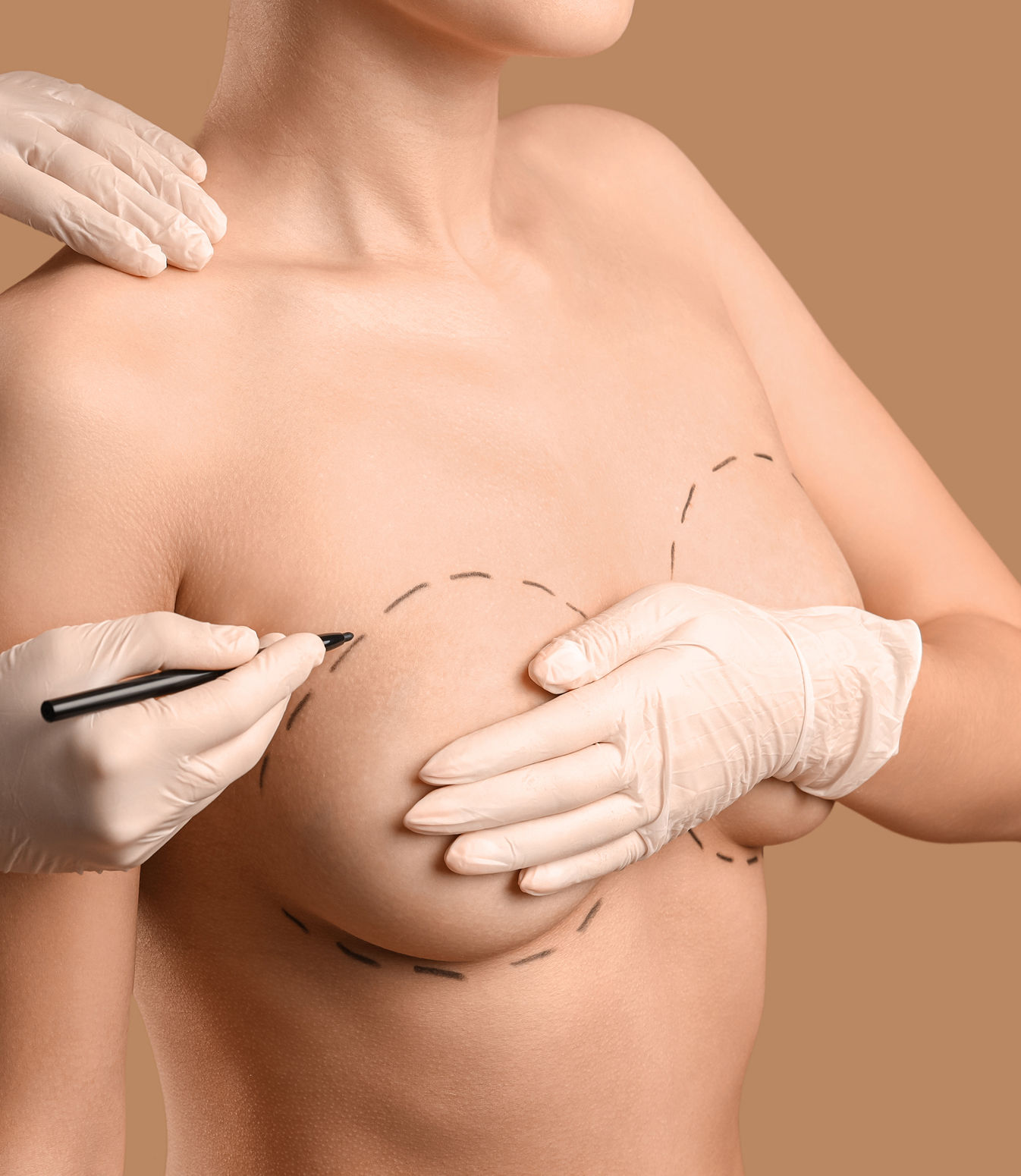
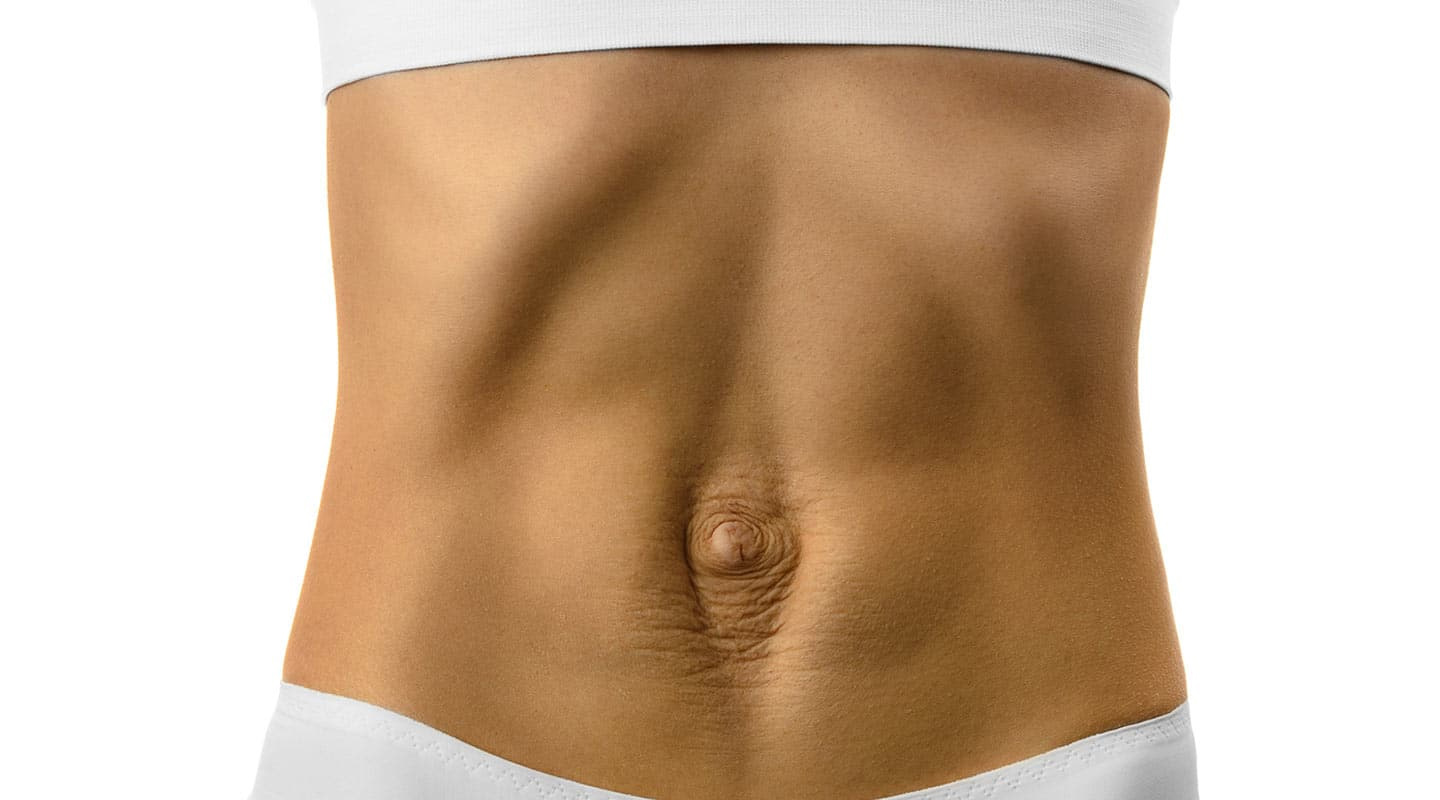
This applies above all to body surgery. After liposuction or a tummy tuck, a compression garment must be worn for several weeks — far more comfortable in cooler weather. Breast procedures, such as breast augmentation, also require a support bra and careful protection of the scars during the first months. For the face — from blepharoplasty to facelifts — what matters most is sun protection of the treated areas and the ability to spend the first days discreetly, helped along by scarves, glasses and shorter days.
To be clear: no procedure is “forbidden” in summer. With the right precautions, surgery can be performed all year round; the cold season simply makes the journey more comfortable and reduces sun exposure precisely during the most delicate phases of healing.
Planning ahead: the right path
The “right moment” for autumn surgery is built in advance. The journey begins with a specialist consultation: a clinical assessment, a discussion of expectations and alternatives, and any pre-operative tests. Between the first consultation and the procedure, it is wise to allow enough time to reflect calmly on the decision: aesthetic surgery is a personal choice that should never be made on impulse. Booking a consultation between late summer and early autumn allows you to schedule any procedure in the following months without haste, choosing dates that fit best around work and family commitments.
Did you know?
Even the time of day seems to matter for healing. Analysing data from 118 burn patients in England and Wales, researchers observed that burns sustained at night took about 60% longer to heal than those sustained during the day. The authors suggest a role for the biological clock of fibroblasts, the key cells in wound repair.
Source: Hoyle NP et al., Science Translational Medicine 2017
Frequently asked questions
How far in advance should I book the consultation?
Ideally a few months before the period in which you would like to have surgery: this allows time for the clinical assessment, pre-operative tests and, above all, for making the decision without pressure.
How soon can I expose myself to the sun?
It depends on the procedure and the location of the scars. As a general rule, fresh scars should be protected from the sun for many months, using very high protection sunscreen and physical coverage: your specialist will give you personalised guidance at follow-up visits.
Will I see the result straight away?
No, and that is entirely normal. In the first weeks, swelling and minor bruising mask the outcome, which becomes apparent progressively over the following months, while scars continue to mature for up to a year. This, too, is why having surgery in the colder months is often a sensible choice.
If you are considering a procedure, autumn is a good time to begin the journey with a consultation. The Plastic Surgery department of the Istituto Chirurgico Palazzo Manzoni in Brescia sees patients by appointment: you can book by calling 030 294 2437 or online.