Diastasis Recti: how to recognise it and when surgery helps
11.09.2026
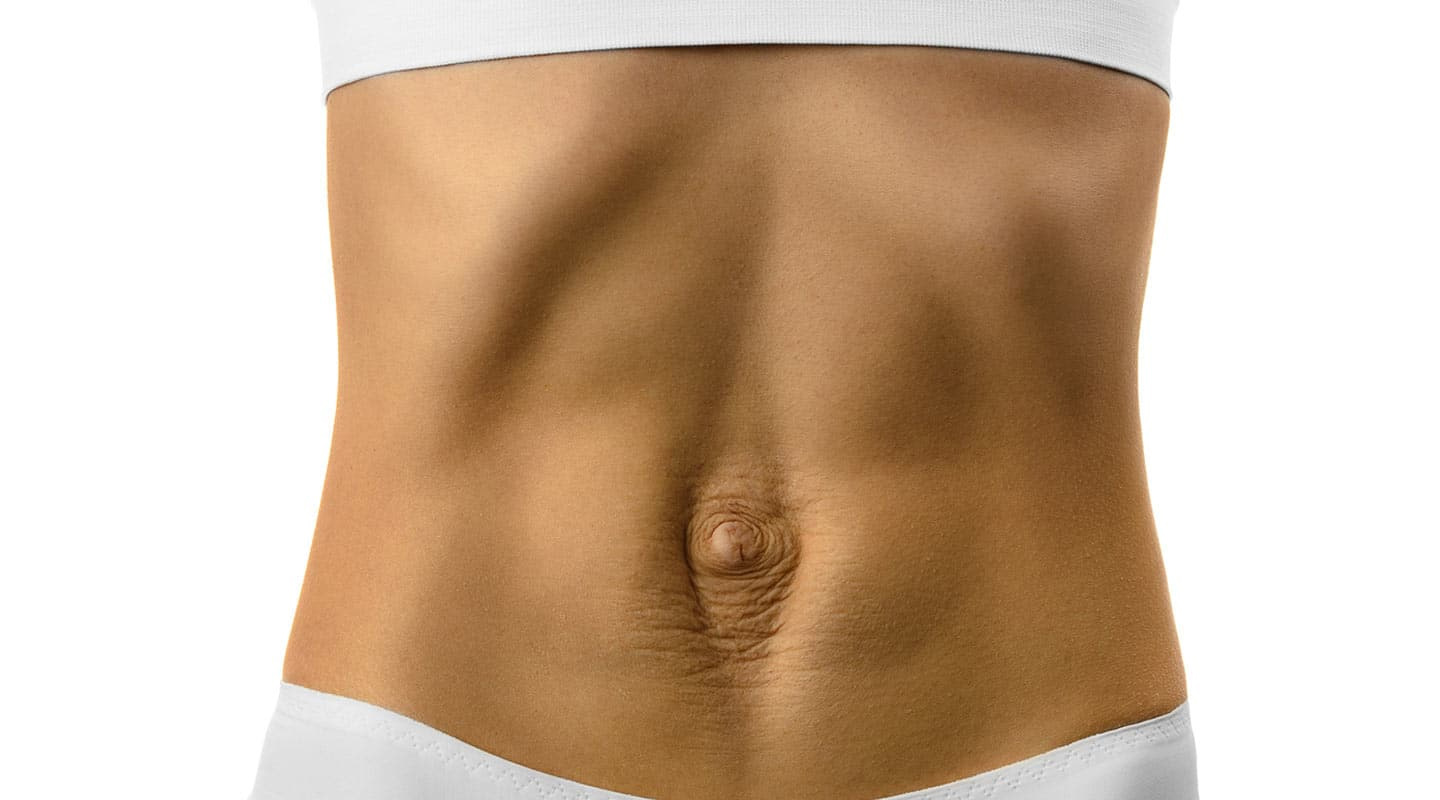
You train regularly, you watch what you eat, and yet your tummy still bulges — especially in the middle. After one or more pregnancies, or after significant weight loss, this is one of the concerns that most often brings patients to a consultation, and in many cases the explanation is not excess fat: it is diastasis recti, a separation of the two rectus abdominis muscles along the midline of the abdomen. In this guide, the plastic surgery department of the Istituto Chirurgico Palazzo Manzoni in Brescia explains how to recognise it, when rehabilitation is the right path, and when it makes sense to consider surgical repair.
What is diastasis recti?
The rectus muscles are the two vertical “pillars” of the abdominal wall, joined in the middle by a band of connective tissue called the linea alba. During pregnancy, the linea alba stretches physiologically to make room for the baby; in most cases, the two muscles draw back together in the months after childbirth. When the separation persists and remains significant, we speak of diastasis recti. It is not a hernia — there is no actual “hole” in the abdominal wall — but the two conditions can coexist, for example with small umbilical hernias. Although typical of the postpartum period, diastasis can also affect men, usually after marked changes in weight.
How to recognise it: signs and a simple self-test
The most characteristic sign is a belly that protrudes in the middle, with a ridge- or dome-shaped bulge along the midline when you sit up in bed or contract your abdominal muscles. Many patients also describe a feeling of core weakness, difficulty “holding in” the tummy, lower back pain and, at times, minor digestive or postural complaints.
A simple self-test can point you in the right direction: lie on your back with your knees bent, lift your head and shoulders slightly, and feel along the midline with your fingers, above and below the navel. If your fingers “sink” into a groove between the two contracted muscles, a diastasis may be present. The self-test, however, is no substitute for a diagnosis: confirming and accurately measuring the separation requires a specialist examination, usually completed with an ultrasound scan of the abdominal wall, which also rules out associated hernias.
Exercise or surgery? Rehabilitation almost always comes first
In the first year after childbirth, the approach is normally conservative: a targeted physiotherapy programme for the abdominal wall and pelvic floor, with specific, progressive exercises, can help the muscles draw back together and significantly improve symptoms, especially when the separation is moderate. Be careful with do-it-yourself training, though: some traditional exercises, such as crunches performed incorrectly in the early stages, can increase abdominal pressure and make the problem worse. It is best to be guided by professionals experienced in postpartum rehabilitation.
When surgery comes into play: tummy tuck with muscle repair
If, after an adequate course of rehabilitation, the separation remains wide and symptoms persist — or when the diastasis is accompanied by clearly excess skin and a lax abdominal wall — surgical correction can be considered. The reference procedure is a tummy tuck (abdominoplasty) with plication of the rectus muscles: through a low abdominal incision, the surgeon brings the two muscles back together and sutures them along the midline, removes the excess skin and, where necessary, repositions the navel. In selected cases the procedure can be combined with liposuction to refine the contour. The choice of technique depends on the extent of the diastasis, the quality of the tissues and the patient’s goals: it is a decision built together during the consultation, case by case.
Recovery: what to expect in the first weeks
After surgery, a compression garment is worn for a few weeks, and activity resumes gradually: early walking is encouraged, while straining and heavy lifting are off-limits until your surgeon gives the go-ahead. A return to light daily activities usually takes place within a couple of weeks, while sport is resumed progressively over the following months, according to the guidance received at follow-up visits. The final result becomes fully apparent once the swelling has settled and the scar has matured, a process that takes months. It is no coincidence that the colder months are often the preferred time to schedule this procedure: the compression garment is far more comfortable under autumn clothing, and the scar — which must be protected from the sun — does not have to face summer straight away.
Frequently asked questions
Can diastasis recti close on its own?
After childbirth, often yes: in the first months the separation tends to reduce spontaneously, and targeted rehabilitation can support recovery. When a wide diastasis persists beyond the first year, it is unlikely to close completely on its own: in these cases a specialist assessment is worthwhile.
Does diastasis repair leave scars?
Yes: a tummy tuck involves a horizontal scar across the lower abdomen, positioned so that it remains hidden by underwear. The scar matures over many months and must be protected from the sun; its final quality varies from person to person.
Is it a cosmetic or a functional procedure?
Both: repairing the rectus muscles restores the continuity of the abdominal wall, with benefits for posture and trunk support, while removing the excess skin improves the contour of the abdomen. The relative weight of the two components is assessed case by case during the examination.
If you suspect you have diastasis recti, or if your tummy still doesn’t convince you after rehabilitation, the right step is a specialist assessment. At the Plastic Surgery department of the Istituto Chirurgico Palazzo Manzoni in Brescia, you can book a consultation with our specialists online or by calling 030 294 2437.